
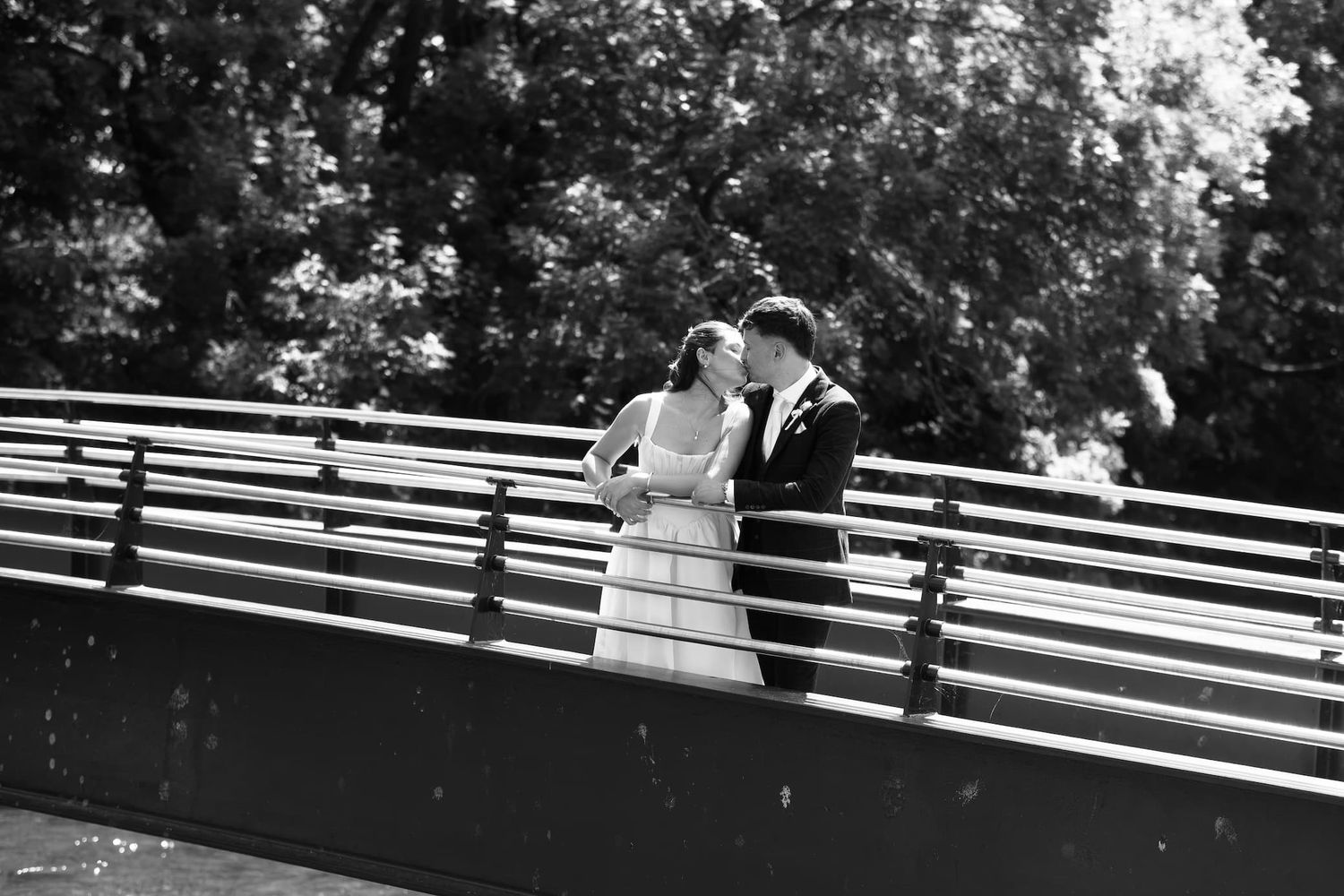
What Does "Storyteller" or "Documentary" Photographer Actually Mean?
I had a strange experience the other day. I watched a wedding as a guest instead of shooting it, and out of sheer habit, I watched the other photographer work.
That photographer didn't call themselves a storyteller and it showed. They stood in more or less the same spot through the whole ceremony and only got two angles. We were in a field. There was nothing stopping them walking wide, circling round, picking up a different point of view. I get it, everyone has their own workflow, but storytelling is exactly that thing they weren't doing.
Don't just photograph the couple. Pull in the venue, the guests, the crowd, the ambience. Get some wide shots and some close, intimate ones. Shoot up the aisle, shoot low, shoot high. Give people a read of the whole day, not two angles and a stack of head-and-shoulders shots.
So what does "documentary" or "storytelling" actually look like?
It reads like a flow through the day. It's the small moments as much as the big ones. It usually starts at getting ready, and not just the classic shot of the bride in the chair. It's the mess in the room, the bridesmaids helping each other with a zip or a necklace, the laughing, the corks popping, all the moments that happen behind a closed door that nobody else gets to see. Those are the photos people go back to again and again. Getting ready is genuinely one of my favourite parts of the day, you learn a lot about a bride and her people in that hour.
For the groom it's more about the banter. Under all the bravado there's a group of lads who care a lot about their mate. It's the laughing, the shared drink, the fumbling with a bow tie or a boutonnière (they're never as simple as they look). And outside the main wedding party, there's the parents. They're as much a part of that getting-ready stretch as anyone else, and any photographer worth booking won't forget they're in the room.
Right, but what do all these words actually mean?
Couples get thrown a lot of terms when they're picking a photographer, and half the time nobody explains what they mean in practice. Quick version before the detail: documentary is the day shot as it happens, candid is a single unposed moment, cinematic is a look created in the edit, luxury is about time and consistency, and editorial is a directed shot styled to look natural. Here's each one properly.
What does documentary wedding photography mean?
Documentary means the day is shot as it happens, whether or not I'm there to catch it. Ceremony, speeches, dancing, all captured as it unfolds rather than arranged. No posed lineups, no "look this way and smile." If a photographer promises zero posed shots at all, ask how they handle family groups, because someone still has to get Grandad in a photo with the happy couple.
What does candid mean in wedding photography?
Candid means a single genuine, unposed moment, usually a reaction. A laugh, a tear, a glance between two people who don't know the camera's on them. People sometimes use it as a synonym for documentary, but it's narrower. You can have candid moments inside a posed portrait session too. It's not a whole style, it's a type of shot.
What does cinematic mean in wedding photography?
Cinematic describes the look, not the moment itself. Deeper shadows, richer colour, a bit of grain, images that feel like a still from a film rather than a snapshot. It comes from lens choice, lighting, and how the photos get edited afterwards. Two photographers can shoot the exact same moment and one version will feel cinematic while the other feels flat, purely down to the edit.
What does luxury wedding photography mean?
Luxury usually points to two things: unhurried time with the couple, and consistency, in the edit and in how the final gallery or album gets delivered. Strip away the marketing and that's what it comes down to. No dumping 900 unsorted files on a USB stick and calling it a day.
What does editorial mean in wedding photography?
Editorial means a directed shot styled to look natural rather than posed. It's borrowed from magazine and fashion photography. Think movement, a walk, a laugh prompted rather than held. It sits between documentary and a full posed portrait, and it's usually reserved for the couple shoot rather than the whole day.
This is also where you'll see the direct flash trend turn up, paired more often than not with a black and white album. Flash straight on, no bounce, no softening, so you get that punchy, slightly harsh look with real contrast and a hard shadow behind the subject. It's borrowed from old press and paparazzi photography, and it reads as editorial because it's a deliberate stylistic choice rather than how the light happened to fall. Strip the colour out and it leans further into that magazine feel, all shape and contrast instead of tone. It won't suit every couple or every venue, and it's not something you'd want across a whole day's coverage, but as a handful of frames mixed through a black and white album it can lift a gallery in a way flat, evenly lit portraits don't.
None of these are competing styles you have to pick one of. A day that's shot well moves between documentary coverage, candid reaction shots, and a short editorial-style couple session, all pulled together with a consistent, cinematic edit. What matters more than the label is whether the photographer can actually show you a full gallery from a real wedding, start to finish, not just a highlight reel of 20 perfect frames.
I am a cinematic documentary wedding photographer. Cinematic is my style, documentary is how I shoot.
Have a look for yourself
If you want to see what that looks like in practice, have a browse through a full wedding gallery on the site.