Fujifilm Wedding Photographer
Fujifilm X-T3 in 2026
Why use it for weddings?
I'm not going to pretend there aren't technically better cameras out there. Better AF, better subject tracking, better this, better that. But realistically — how much of it actually matters?
AF and bells and whistles don't change how an image feels. That lies with the photographer behind the camera and the rendition of the image. And for me, that conversation starts and ends with Fuji.
What's in my bag?
- Fujifilm X-T3 (Main Body - Silver)
- Fujifilm X-T3 (Secondary Body - Black)
- Fujifilm VG-XT3 (x2)
- Fujifilm XF 16mm f/1.4 R WR
- Fujifilm XC 35mm f/2
- Fujifilm XF 18-55mm f/2.8-4 R LM OIS
- Fujifilm XF 55-200mm f/3.5-4.8 R LM OIS
- Sigma 56mm f/1.4 DC DN Contemporary (X-Mount)
- Godox V860II-F (x2)
- Godox X-Pro F
The elephant in the room - why the X-T3 in 2026?
Three reasons: dual card slots, tactile dials, colour science. And honestly, 26MP is still completely usable in 2026 - that's less of a reason and more of a justification, but it's there.
Dual card slots are non-negotiable on a wedding day. Flash memory will fail - not if, when. When it does, you need redundancy with every image you've taken already backed up at source. You might recover a dead card. You might. But if you're gambling with someone's wedding day on that chance, you're playing a dangerous game.
Tactile dials is pure preference. I've shot Canon, Nikon and Sony over the years, and Fuji just feels right in my hands. No fussy menus, no extra button presses to get where I need to be. Shoot what feels comfortable - simple as that.
Colour science is, for me, the most important. Canon was where I started and I genuinely loved it, but I was always left wanting something more. Nikon gives you clinically perfect, incredibly clean files - but just missing a wow. The depth, colour and contrast I get from Fuji is second to none. The RAW files are beautiful to work with, with levels of colour accuracy that are genuinely hard to replicate with another system. Presets exist that try to mimic Fuji - and they fall short, every time.
One more thing on the two-body setup: both cameras need to be perfectly in sync for muscle memory. I'd never run an X-T3 alongside an X-T5 - it'd have to be matching bodies. When the bride is walking down the aisle, I can't be troubleshooting camera one. I just reach left or right, and there it is - battery grip on, fully charged, ready to go.
What do I actually use on a wedding day?
Getting ready & the build-up
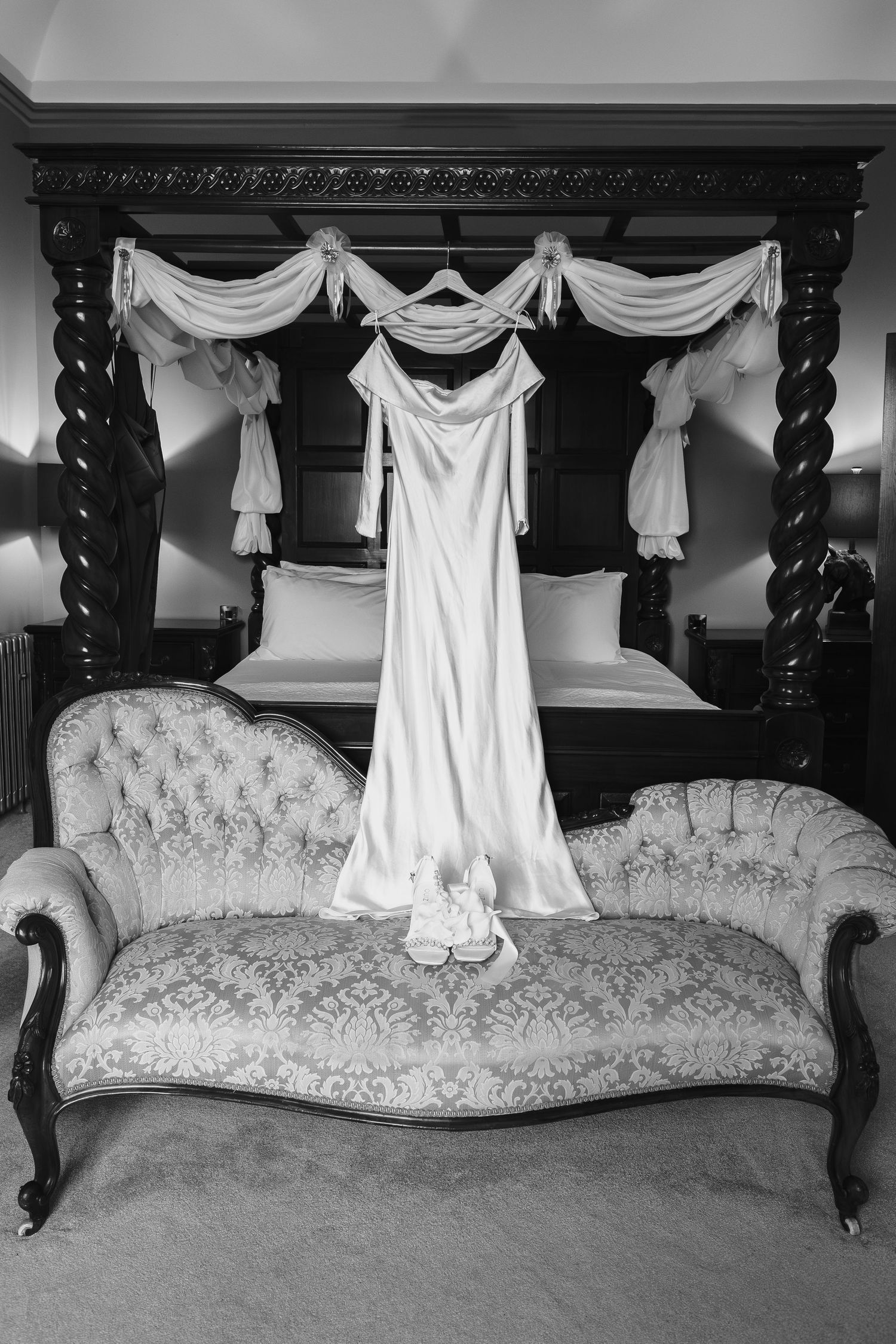
wide eyed and bushy tailed - Fujifilm XF 16mm f/1.4 R WR
The getting ready portion of the day is one of my favourites. You get real time with the couple - separately, obviously - to build rapport, get them comfortable in front of the camera, and shake off the nerves before the day properly starts. It's also where some of the most considered images come from.
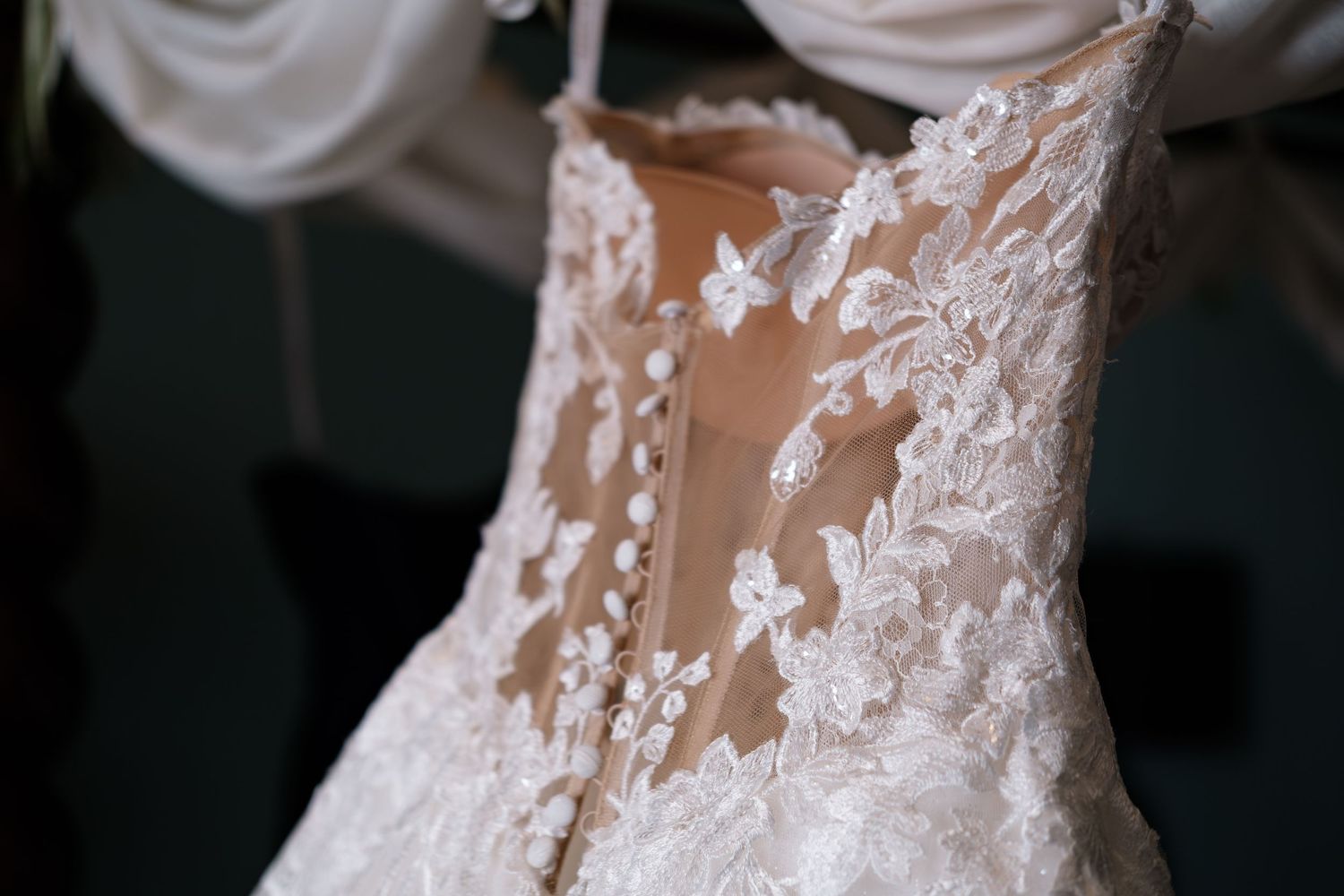
The dress hanging shot above? That's the 16mm f/1.4. A four-poster bed in a period room - you need the scale of that without going full fisheye. The 16mm gives you these wide, situational images that hold the drama of the space while keeping focus on the subject. It's perfect for the big dress shots where you want the gown to fill the frame without having to rearrange the entire room. Weddings are unpredictable. You're always hunting for a quiet corner, and you can't cordon off a whole staircase. You need a lens that earns the wide shot.
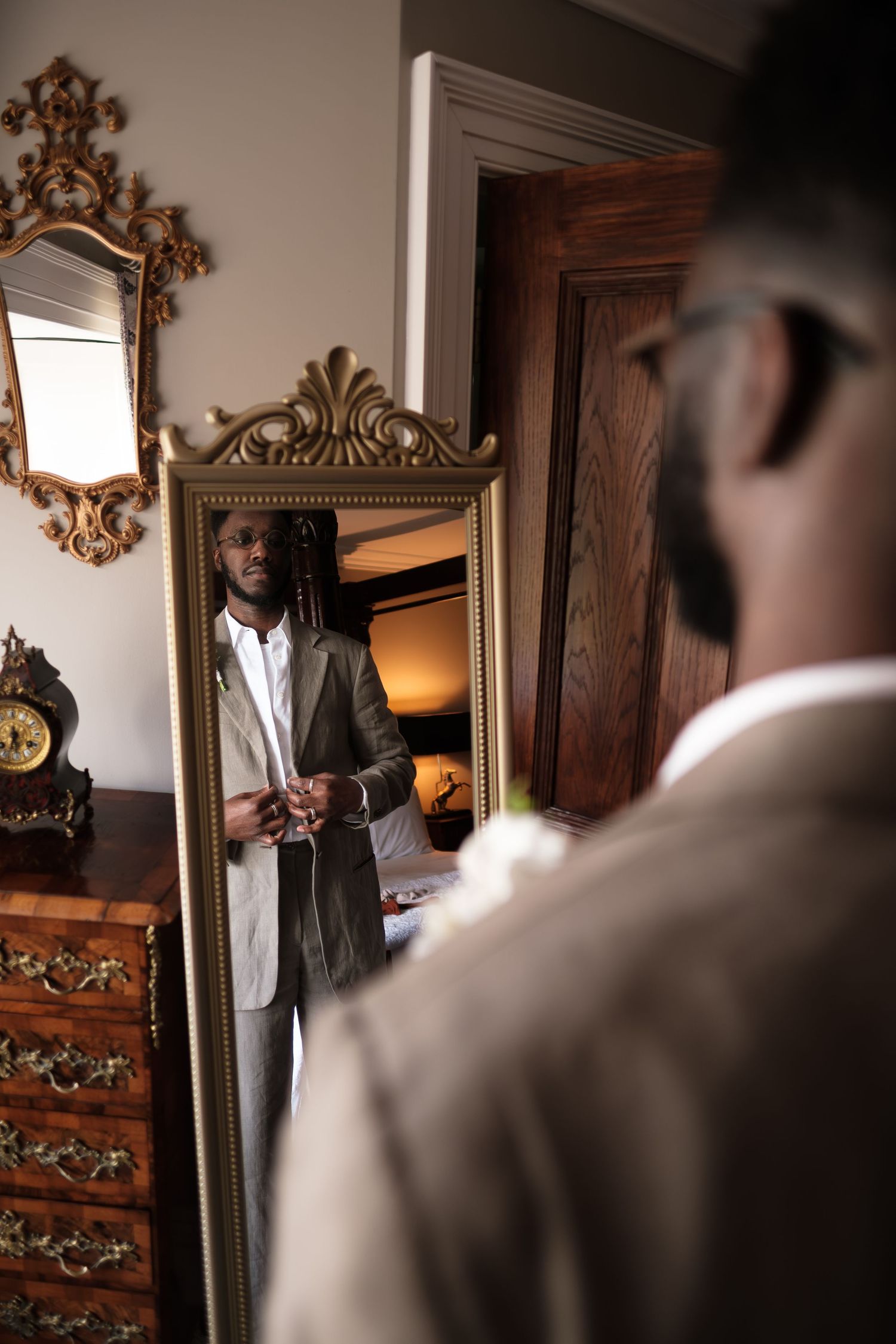
The groom mirror shot is a good example of how I like to frame the getting ready for the guys. Shooting into the reflection with the ornate gold frame in the foreground - it's the same 16mm, and the key is that you're finding the frame within the frame rather than just pointing a camera at someone getting dressed.
Keeping it to details - Fujifilm XC 35mm f/2 & Sigma 56mm f/1.4 DC DN Contemporary
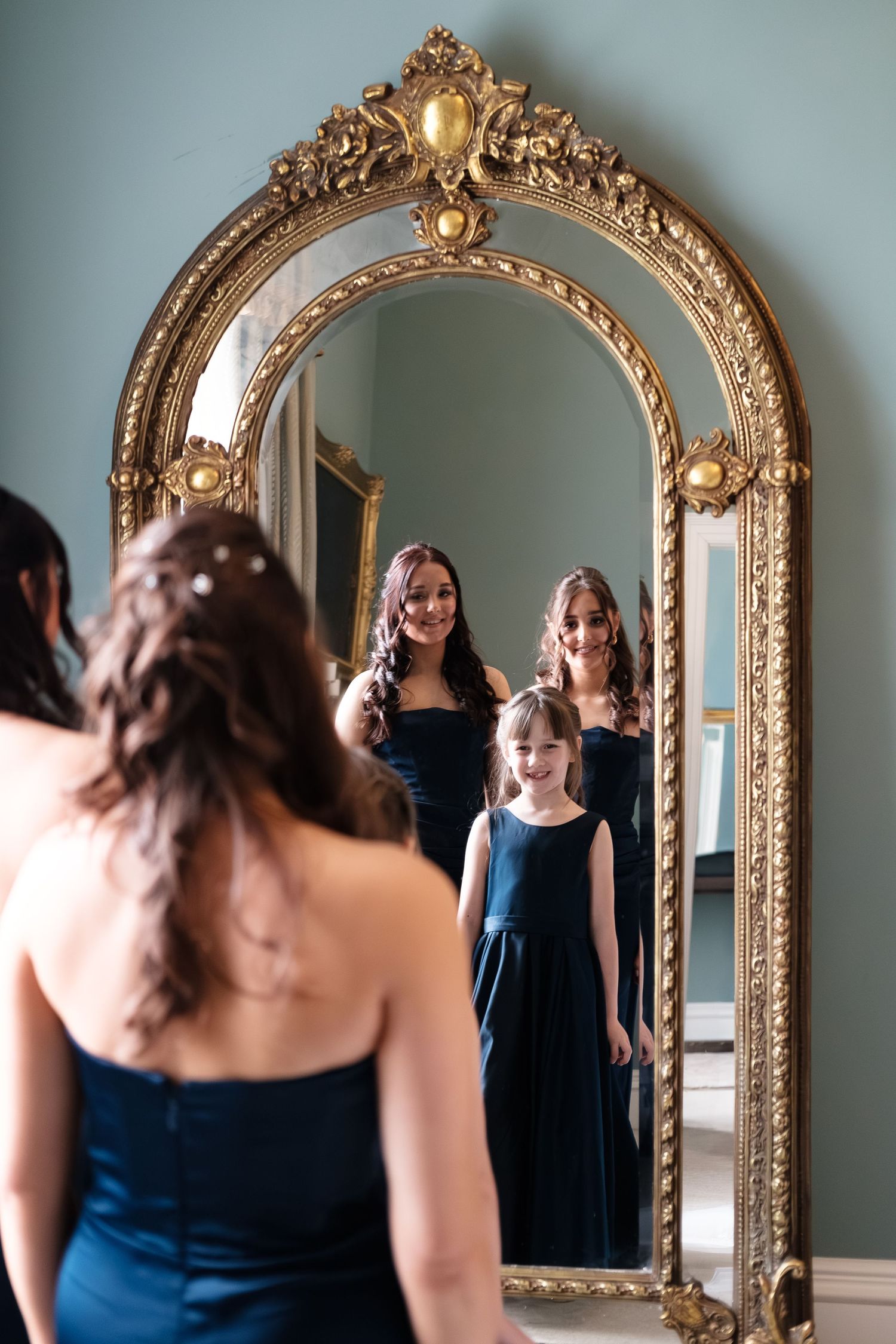
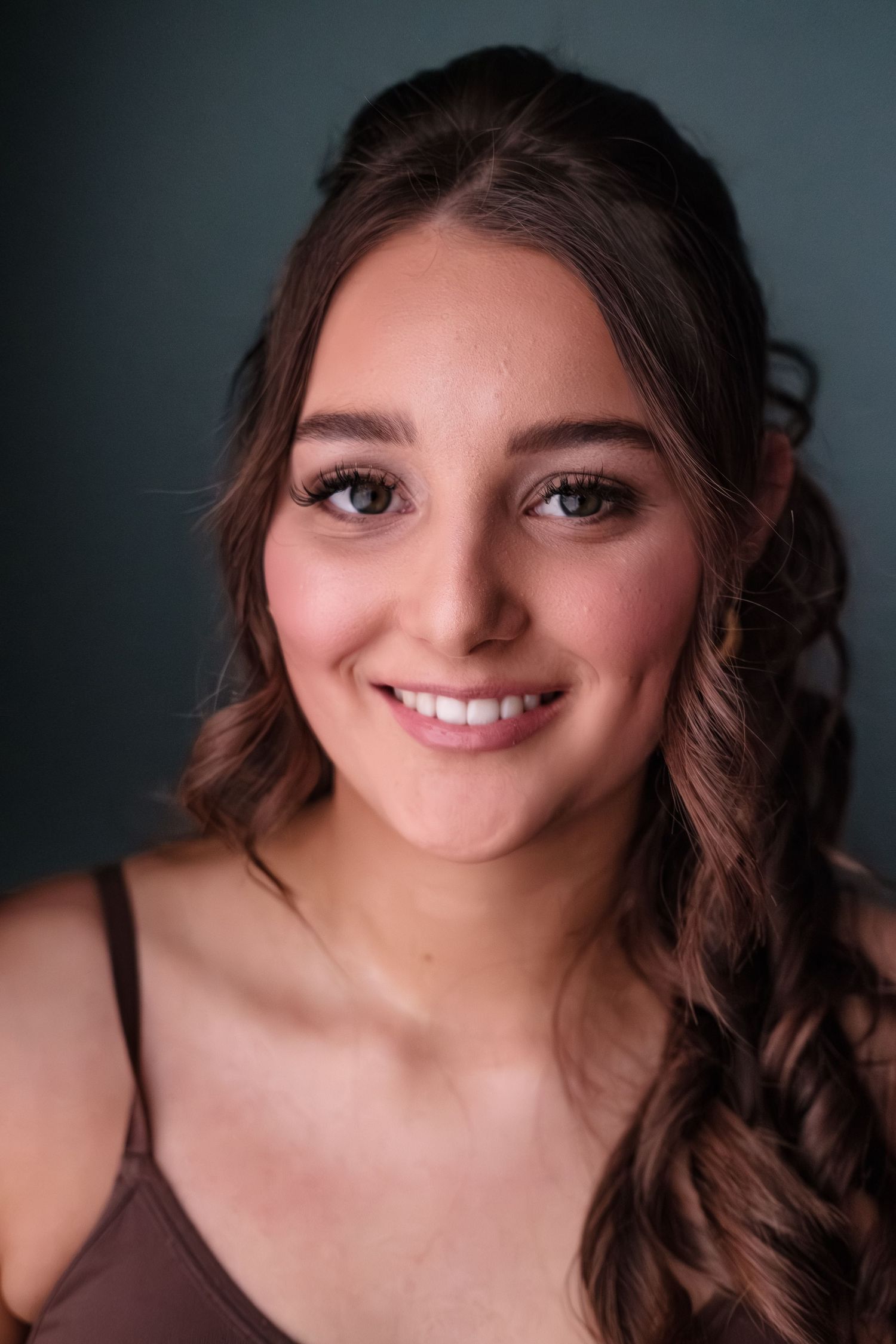
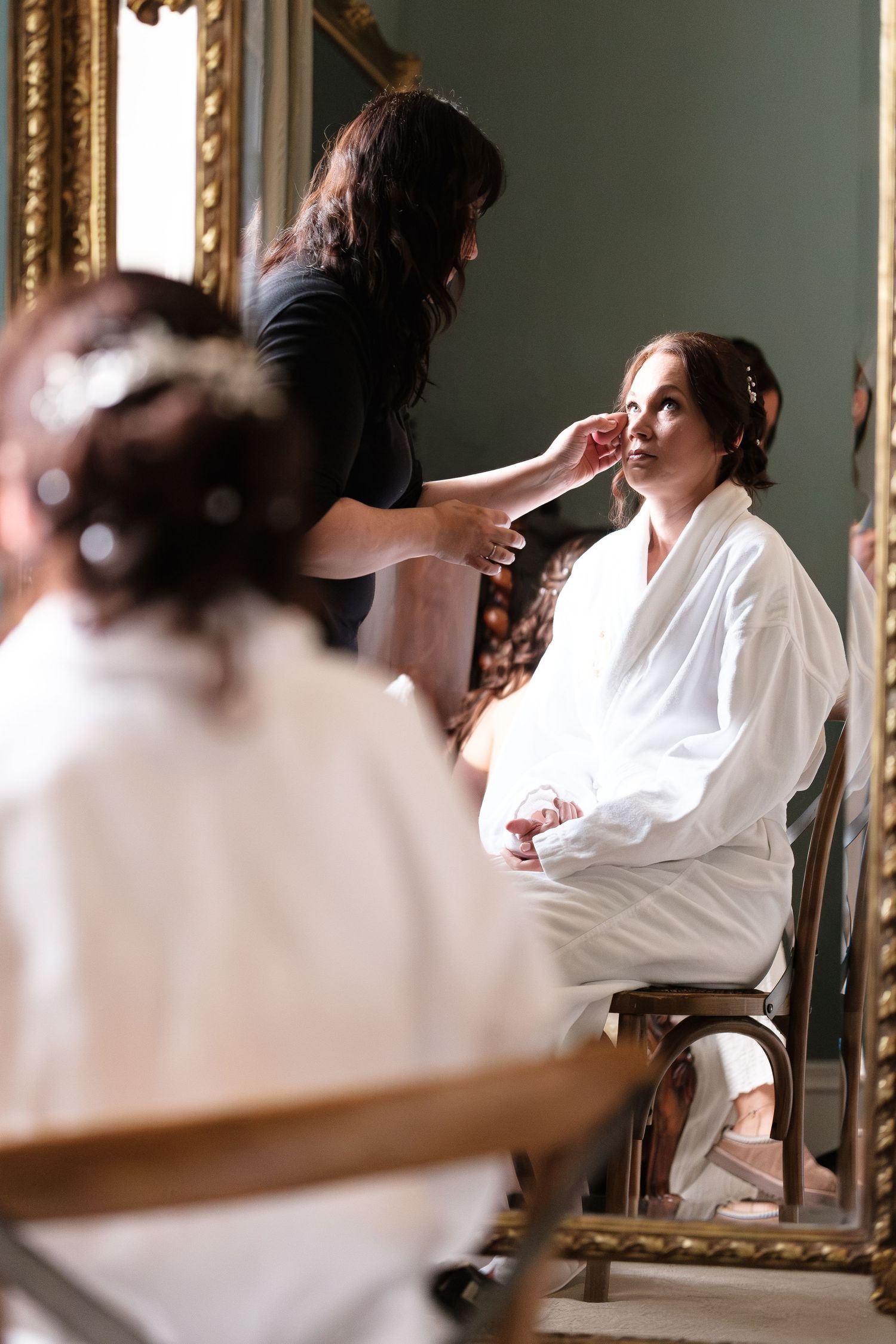
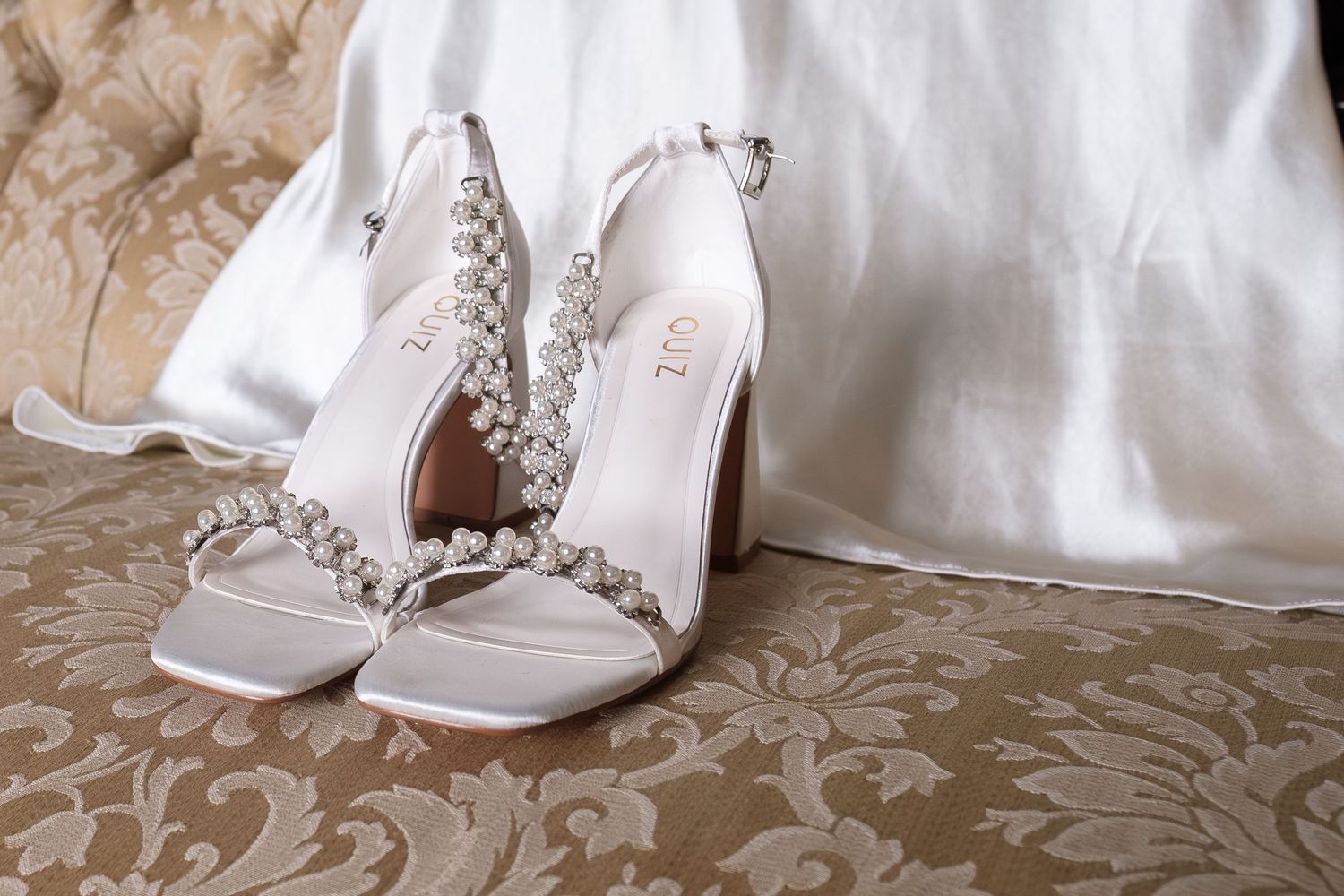
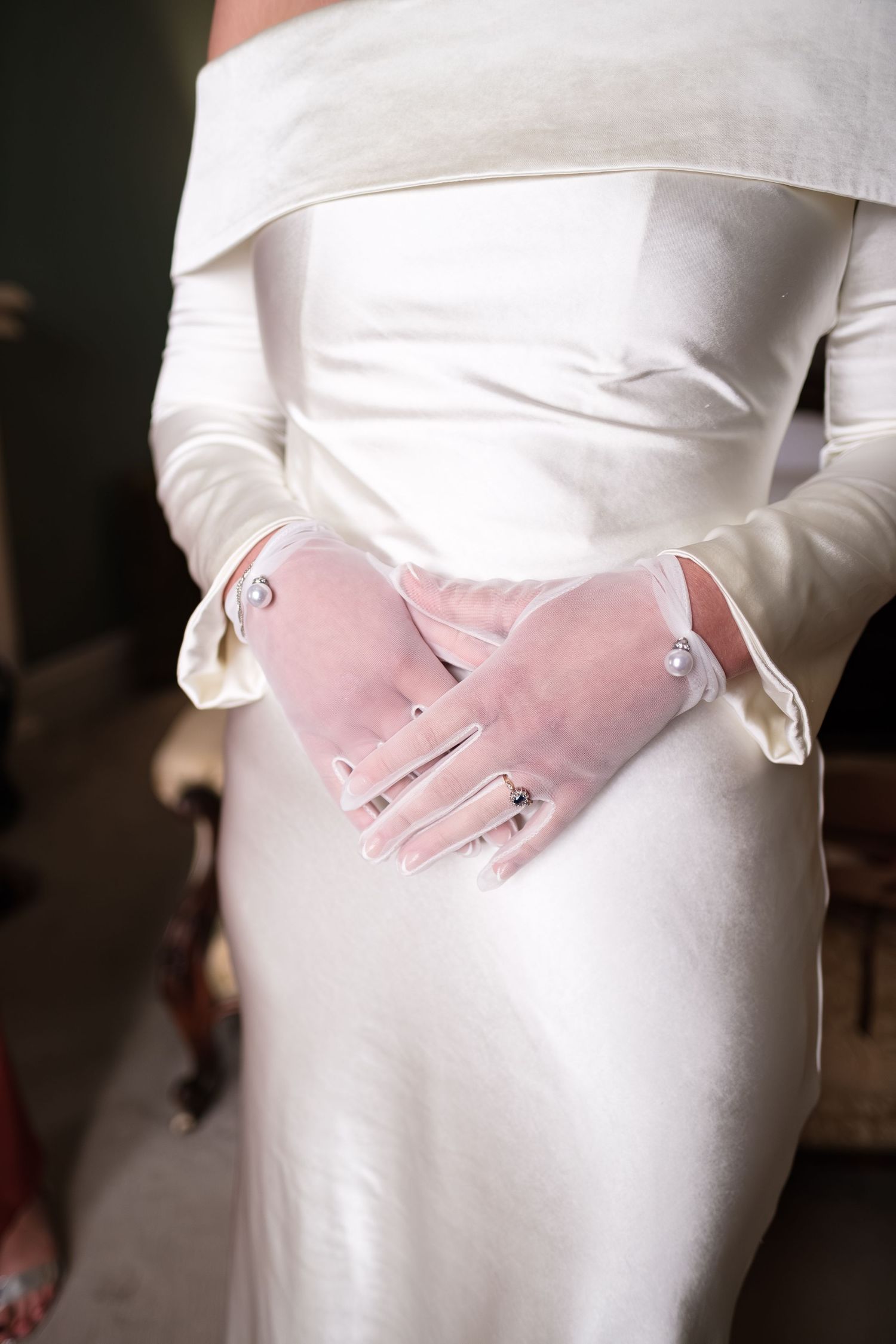
For most detail work and portraits, I'm on my XC 35mm f/2. I know what you're thinking - why not the XF? Honestly, I'd put my images taken on the XC against any taken on the XF and ask you to spot the difference. It's sharp across the frame at f/2, great contrast, and it saturates the 26MP sensor perfectly without the additional weight. On a crop body the effective focal length sits around 52.5mm full-frame equivalent, which gives you a really natural face shape - no distortion, documentary in feel. The pearl-detail gloves shot, the shoes against the damask sofa - that's the 35mm doing exactly what I want it to do. Weather sealing would be nice, but it's all plastic, it's incredibly affordable, and I'd happily carry two.
For Getting ready stuff its always handy to have a slightly more telephoto prime such as the Sigma 56mm f1.4. It can be quite busy during getting ready and the best thing to do sometimes, is just get out of the way. Having that level of tele within a smaller room allows you to retain a level of isolation in the image, while also having the subject, whether its the bride, bridesmaid etc., feel like you're not there and snapping away at them.
There is a strange level of self awareness people have when getting ready that there is a stranger in the room, with the camera up to their face and constantly snapping images of them. Your job is to put them at ease and make them think you're not constantly snapping, otherwise they just feel like a performing monkey.
The aisle walk
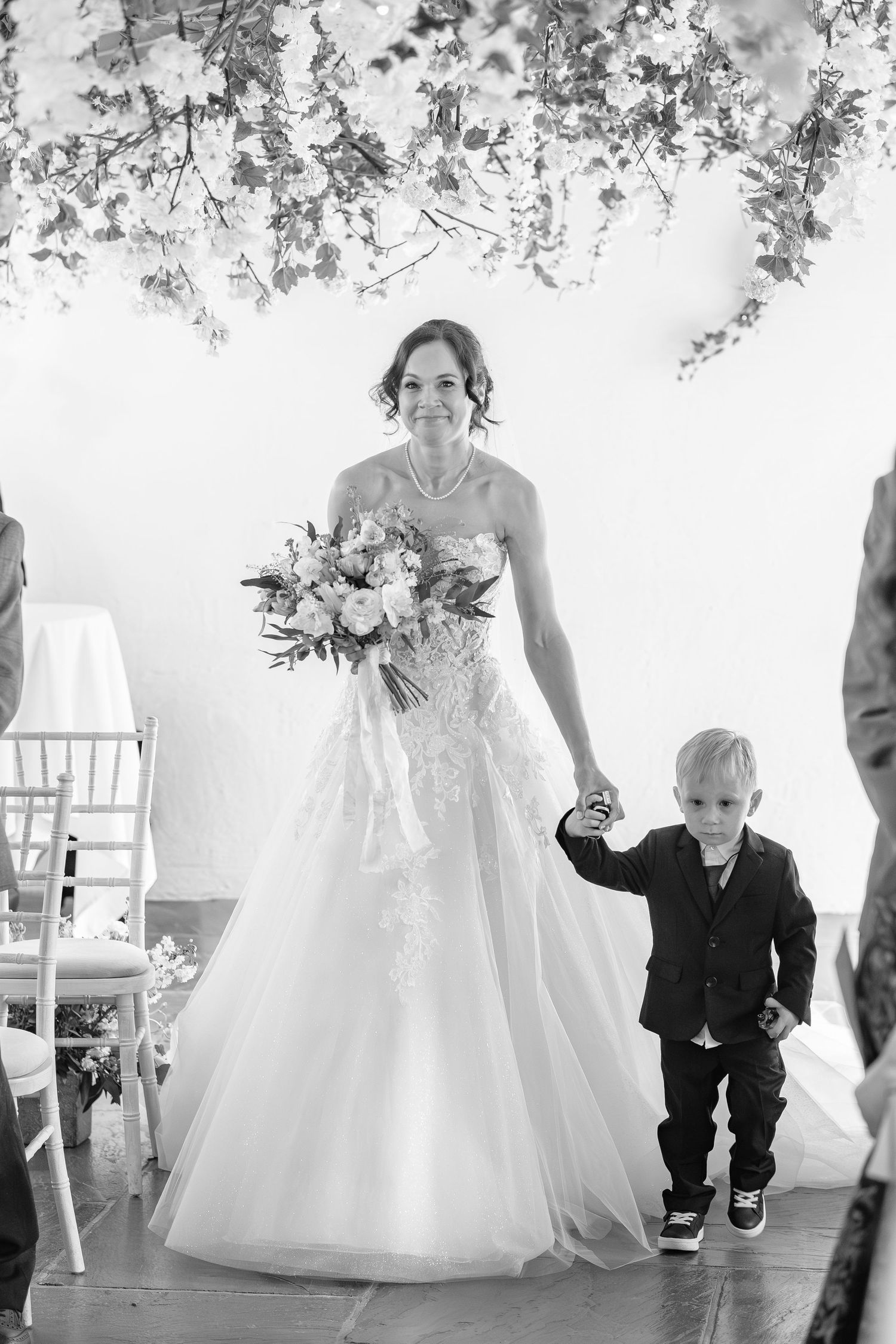
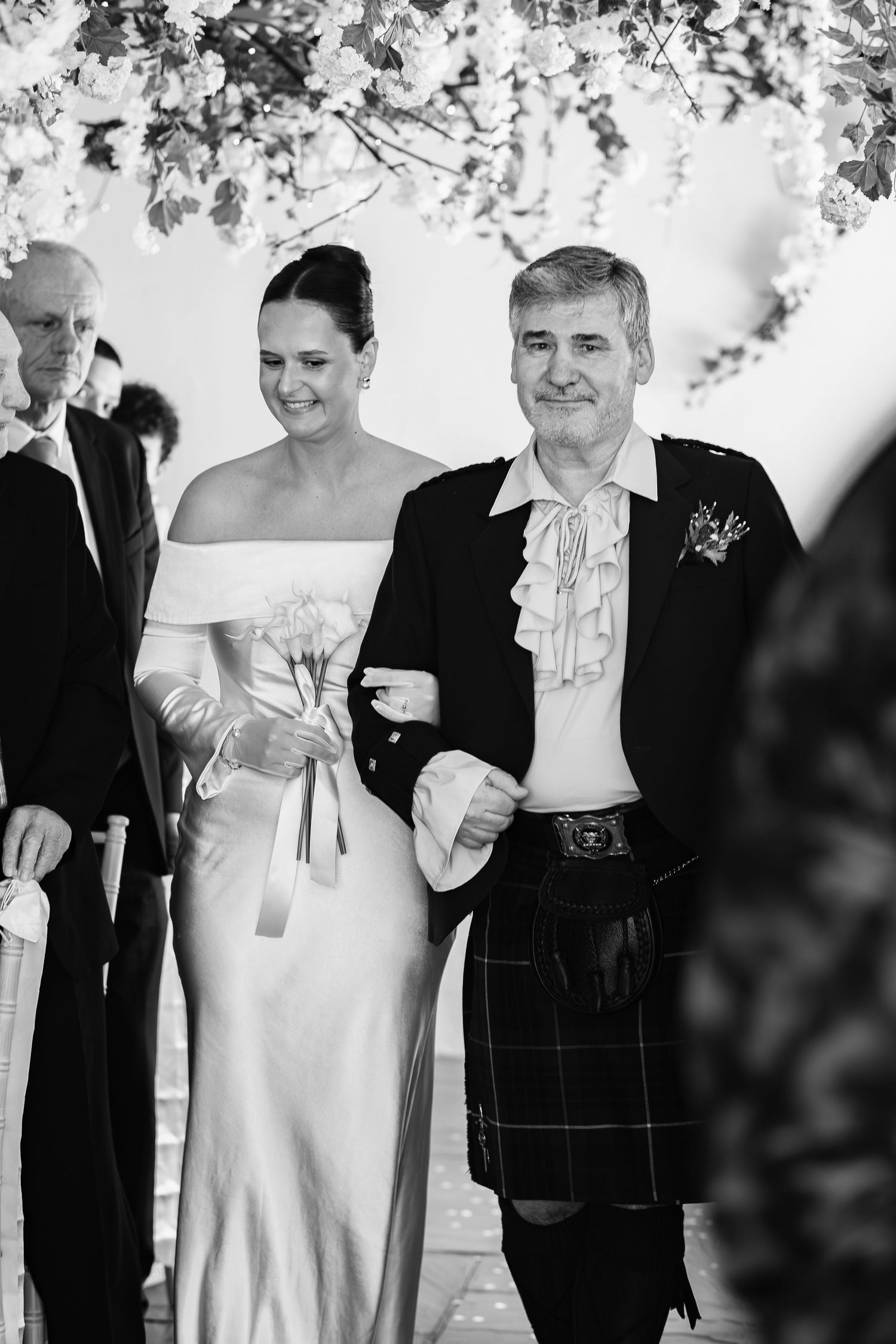
As the bride starts down the aisle, I switch to the Sigma 56mm f/1.4. The AF is good enough to track through roughly the first 50% of the walk, at which point I move to the 35mm for the rest of the way.
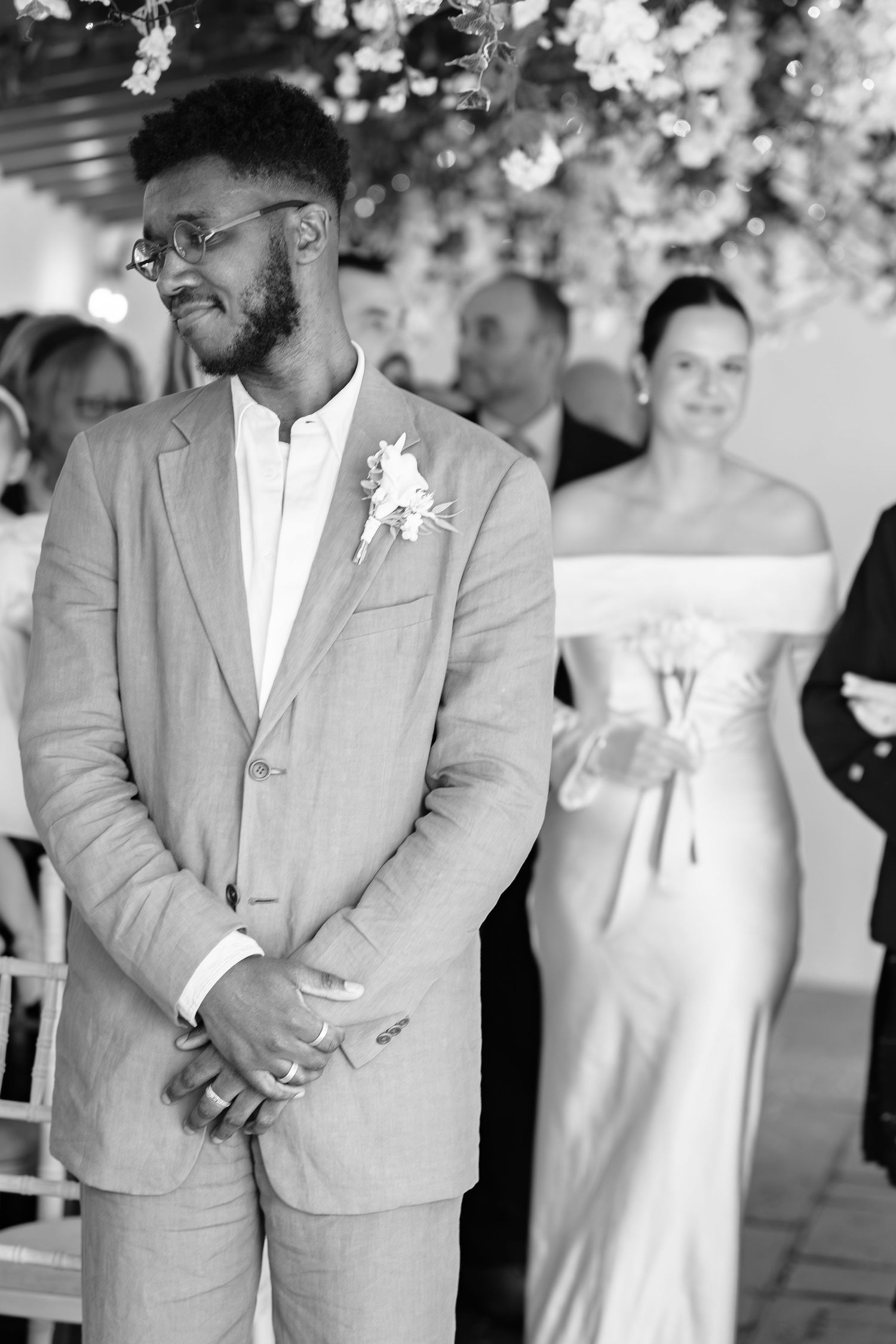
The shot in this set where the groom is facing forward and you can see his bride coming over his right shoulder - that's the Sigma. He held it together until the last possible second, and that tight field of view with him in sharp focus and her just coming into frame behind him is one of my favourite images I've ever taken. He's holding back tears; she's absolutely beaming. That compression, that intimacy - it doesn't happen with a zoom.
Why the Sigma over the Fuji 56mm? I love the warmth in the Sigma glass, and the AF performance over the non-WR XF 56mm is night and day. The price-to-performance ratio is genuinely insane, and for portraits and weddings I can't recommend it highly enough.
On primes vs zooms
Could I achieve most of this with the 18-55? Honestly, yes. Will I still use two primes? Also yes.
Primes force you to be a more creative photographer. They move you physically - you find the shot where a zoom lets you stay put and settle. Zooms remove the guesswork, and in my opinion, the creativity along with it.
That said, I do have zooms and I do use them. Tight spaces, unusual angles, situations where I simply can't move - that's when the 18-55 earns its place. The 55-200 is always in my bag because I love what background compression does to a frame. Stop thinking of it as something that just zooms stuff in, and start looking at what it actually does to the space between your subjects and the world behind them. You can create a sense of grandeur or strip a busy background down to nothing. It's deliberate. Zooms are for when I can't move. Primes are for when I want the image to move the client.
Have I used either lens on a wedding?
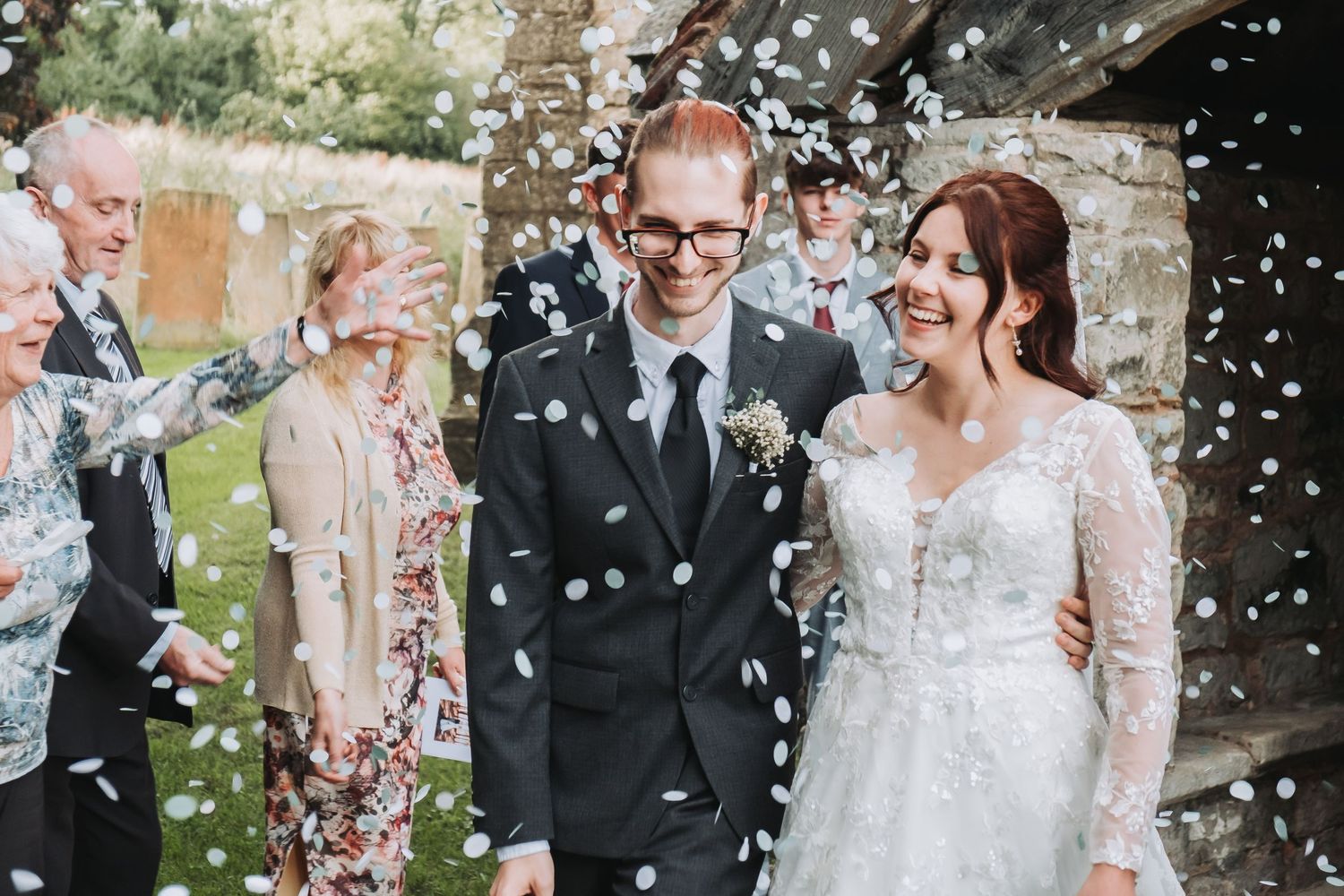
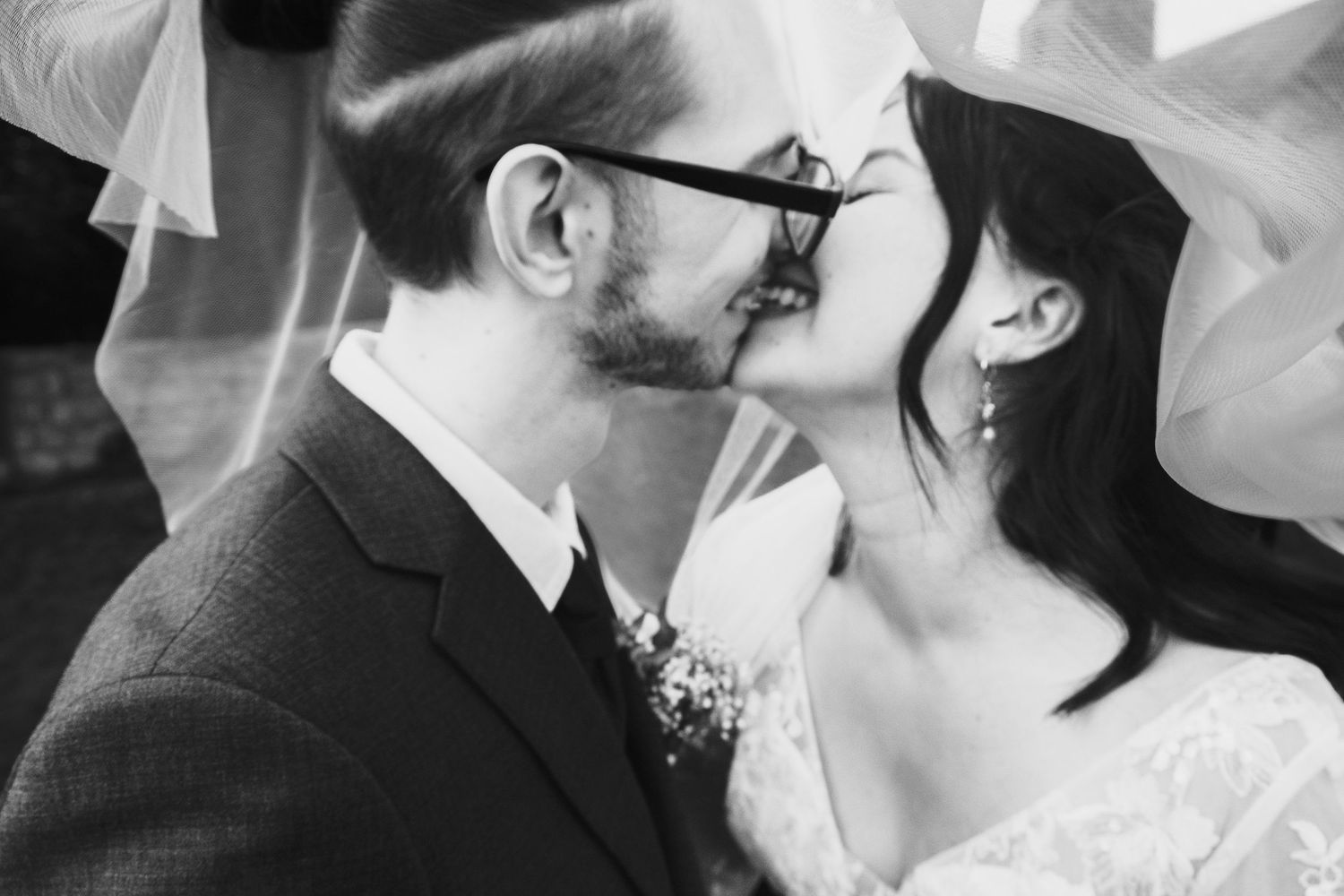
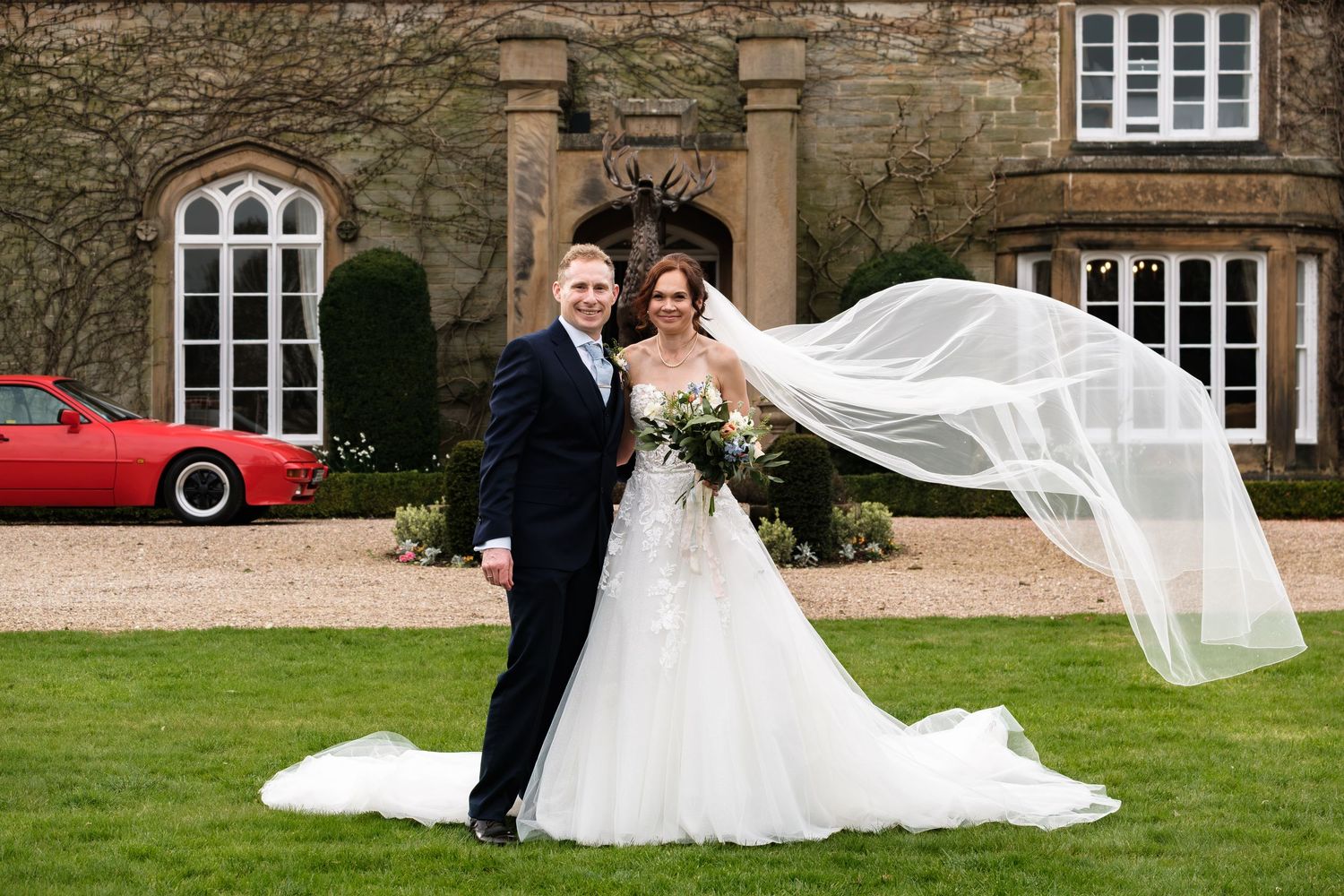
Yes and they were infinitely useful at the time! The confetti walk in image 1 below, was on the 18-55 as well as the veil shot. The reason I used them specifically for those shots were that I needed a lens where I was able to have IS (i was walking for the confetti shot) and for the veil shot, I needed a lens that had a decent minimum focus distance.
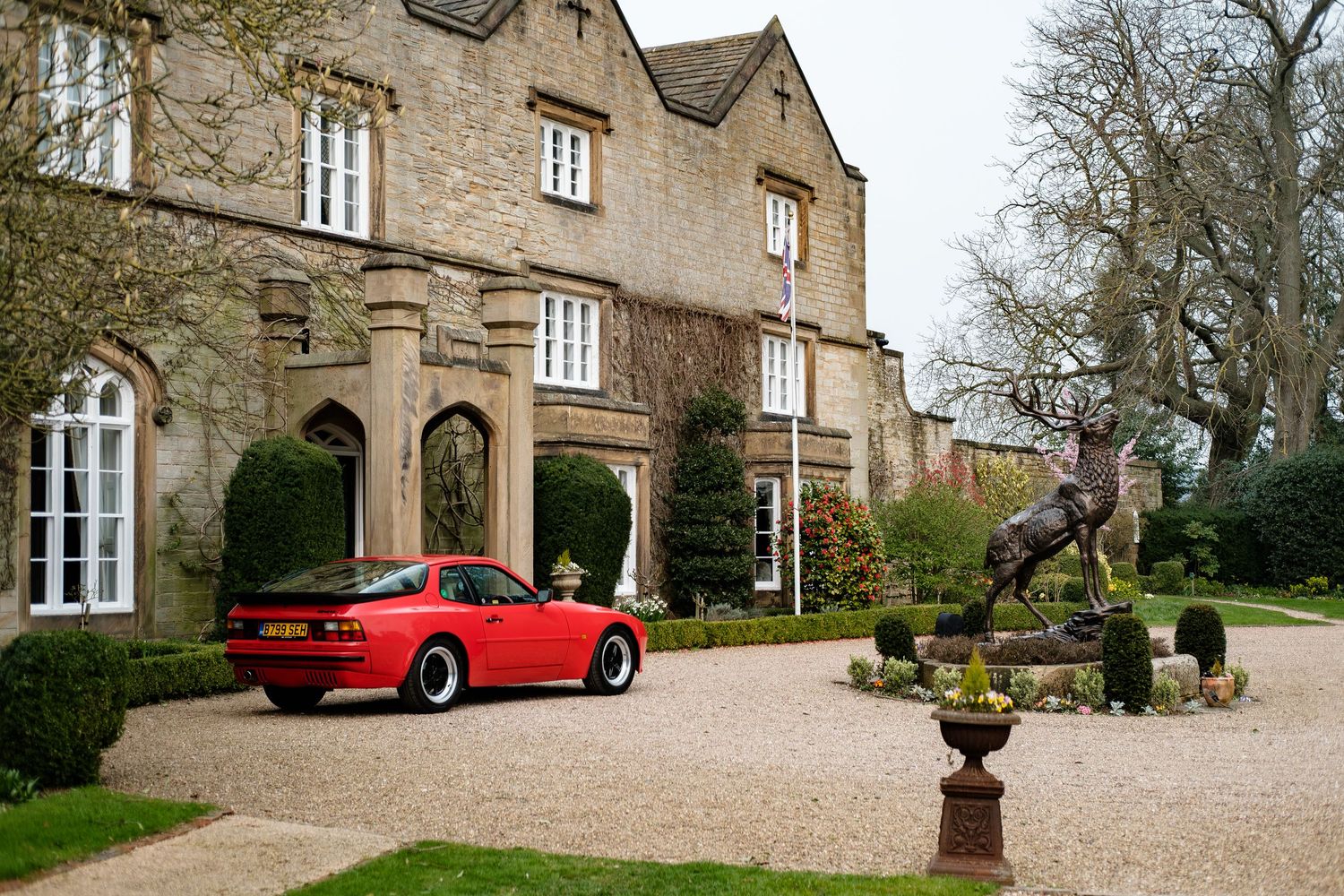
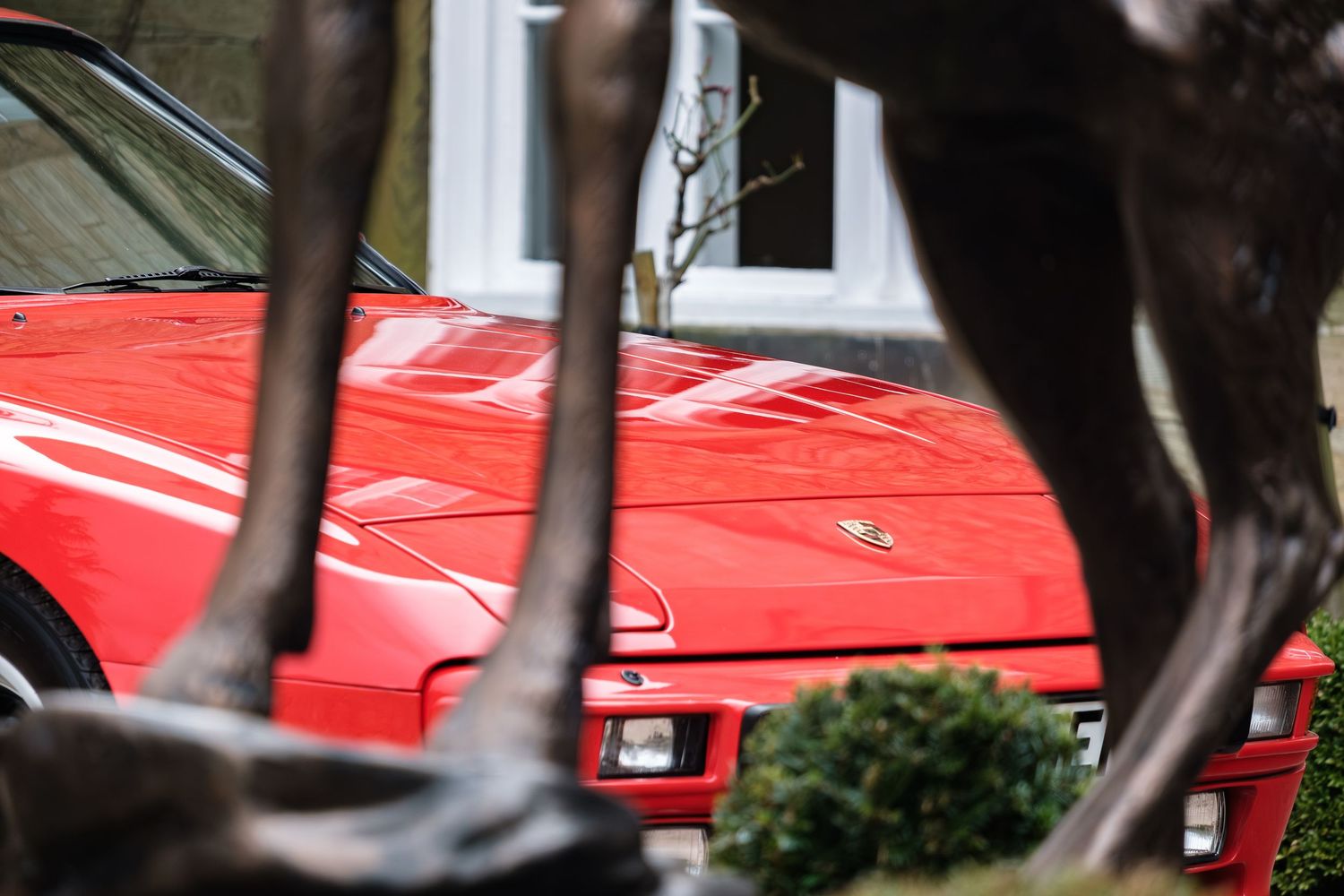
For the 55-200, I really wanted forced perspective. I used the top-end of the zoom range for the veil shot to really blow the venue up in the background and give this sense of scale. I then used it for the Porsche (a large feature of the wedding for sentimental reasons) to pull in some of the environment and then to shoot through and frame the badge. Things, I wouldn't neccersarily have been as easy with a prime, Possible, yes. But not easy.
The Eterna workflow - bringing cine-science to wedding photography
I'm often asked if I shoot JPEGs to get that Fuji look. The answer is no - for a wedding, I need the 14-bit safety net of a RAW file. But I've spent years perfecting a workflow that mirrors the Fuji film simulations while retaining every ounce of data.
It works in three steps.
The base: I start by applying the Fuji Eterna/Cinema profile in Lightroom. It gives a flat, cinematic starting point with incredible highlight retention - crucial when you're dealing with a white dress in natural light. The soft roll-off in the whites of a wedding gown doesn't come for free; you have to protect it from the start.
The punch: I apply a custom S-curve to the RGB channel to bring back the contrast the Eterna profile intentionally removes. This gives me pop without blowing the delicate tones in the dress or the skin.
The finish: White balance correction, and a touch of AI Denoise for the candle-lit receptions. The result looks exactly like a Fuji JPEG - but with the dynamic range of a professional RAW file underneath it.
That's the whole workflow. There's no magic beyond that - just a base that's worth protecting, and the discipline to not overcook it.
What does this all mean?
If you've landed here as a couple rather than a photographer, here's what all of this actually means for your wedding day