21 Photography
The 5 Core Principles of Being an Effective Photographer
les of being a professional photographer right, everything else you are doing is built on shaky ground. You can buy better gear, attend expensive courses, and chase trends all you want, but none of that fixes the fundamentals.
In my experience, there are five principles that underpin effective photography at a professional level. Not the kind you pay hundreds of pounds to be told in a hotel conference room, but the kind you only really learn by doing the job, being around people, and occasionally getting it wrong.
These principles shape how you move through a space, how you interact with people, how you react to moments as they unfold, and ultimately how your images feel on the other side. Get these right, and the genre almost becomes secondary.
The five principles are -
Master the space
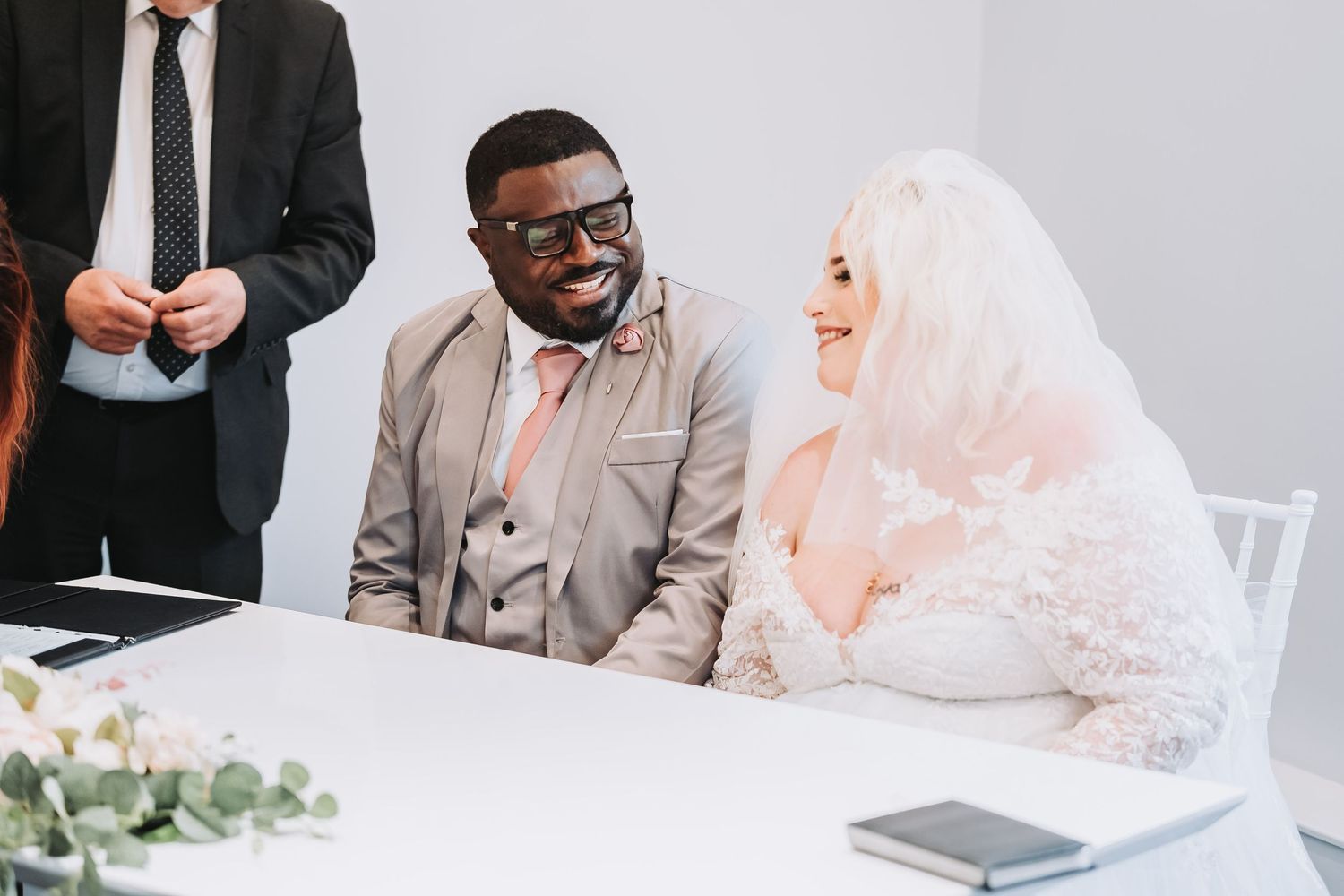
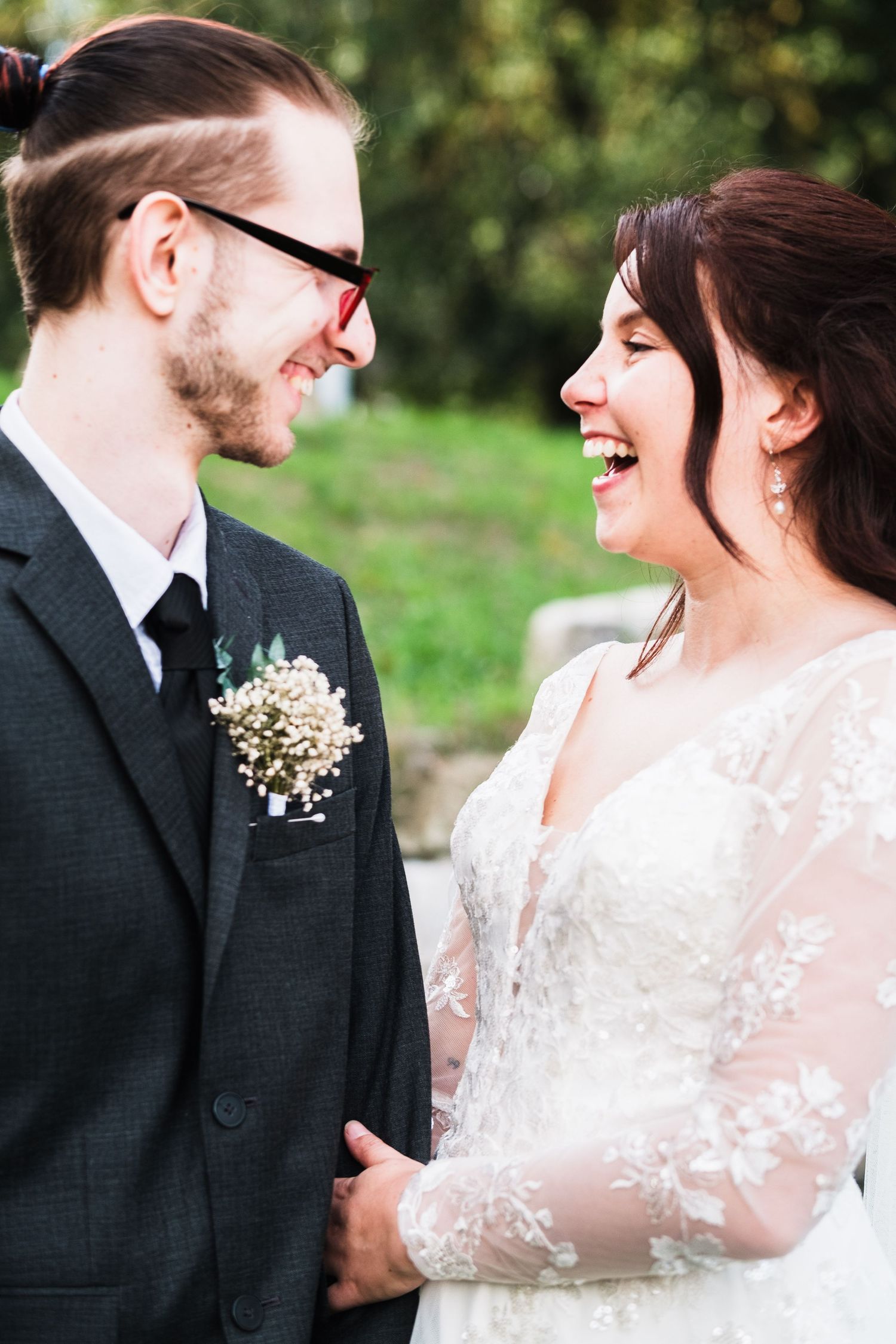
Chase authentic moments
Know your gear
Navigate the social maze
More than just photos
Master the Space
Sounds simple, right? It is not.
Mastering your space is about far more than just figuring out an exposure for the venue. It is about understanding the choreography of what is happening around you. Where can you stand? Where are people likely to move next? Where can you reposition yourself quickly if you need a different angle?
It is situational awareness. Yes, you are shooting what is in front of you, but you also need to know what is happening behind you and to either side of you. The best shots are often a step away from where you are currently standing.
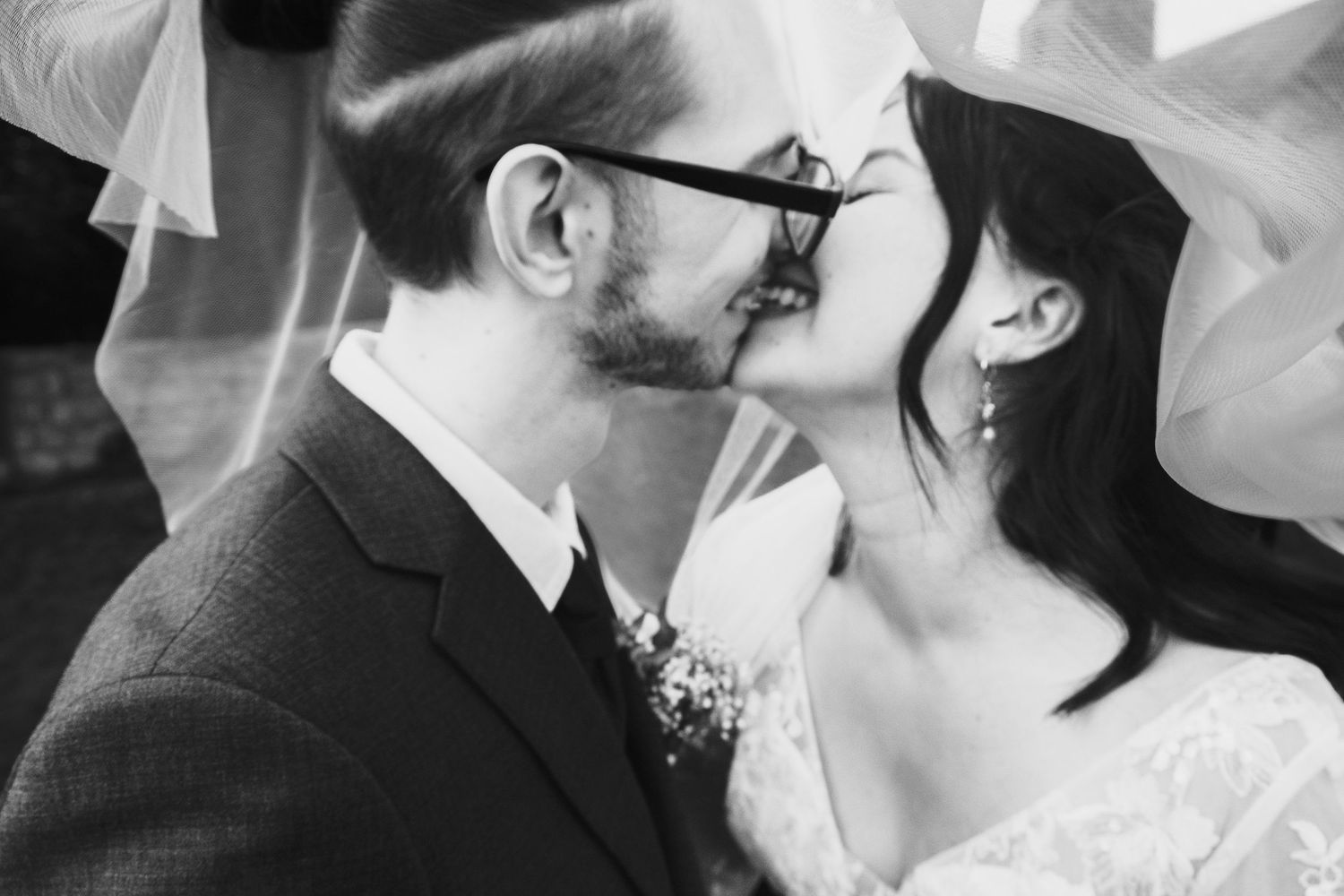
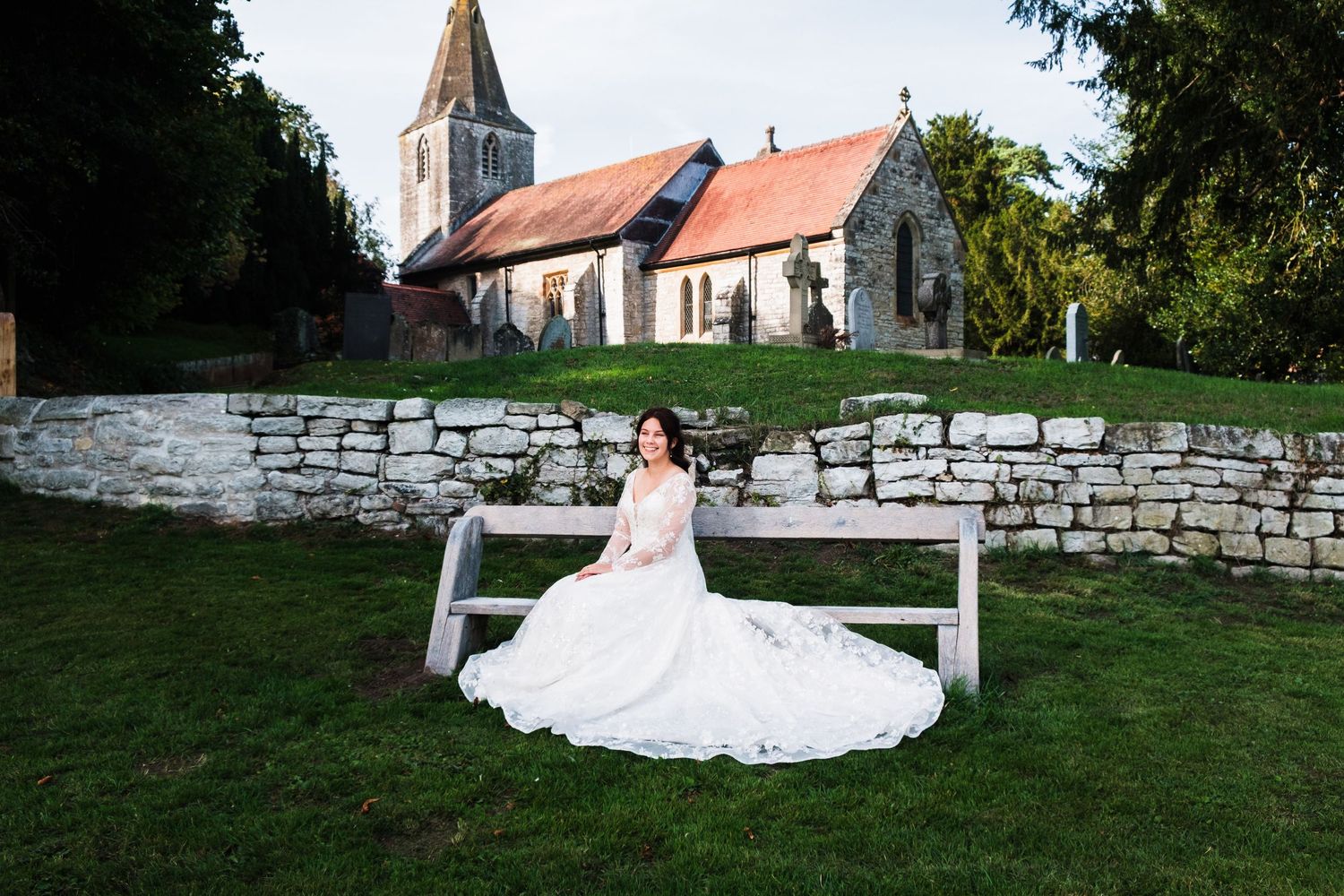
Beyond the physical, there is also the character of a space. That might sound a bit abstract, but it matters. There is a difference between seeing a venue as “a dusty old church” and recognising it as a 17th-century gothic sandstone church filled with history and atmosphere.
Couples today are far more deliberate with their venue choices. In many ways, the venue is an extension of them, and it should be treated as such. Find ways to pull the space into your images beyond the obvious “bride and groom standing outside the door” shot. A venue is a prop. It is there to be interacted with and included.
Of course, some venues are chosen purely for convenience, and that is fine. The key is reading the room and reading the people. Both matter.
Chase Authentic Moments
Authentic moments are rarely about posing and almost never about clinical perfection.
Photography involving people is inherently paradoxical. The harder you try to control a moment and make it technically perfect, the more likely you are to kill it entirely. If your goal is a portfolio full of pixel‑perfect, meticulously staged images, you may be in the wrong line of work. Unless you shoot products and table lays, in which case, you have it fairly easy.
Moments do not wait for you to dial in the perfect settings. They happen regardless. The job is to react and work with what you have in front of you.
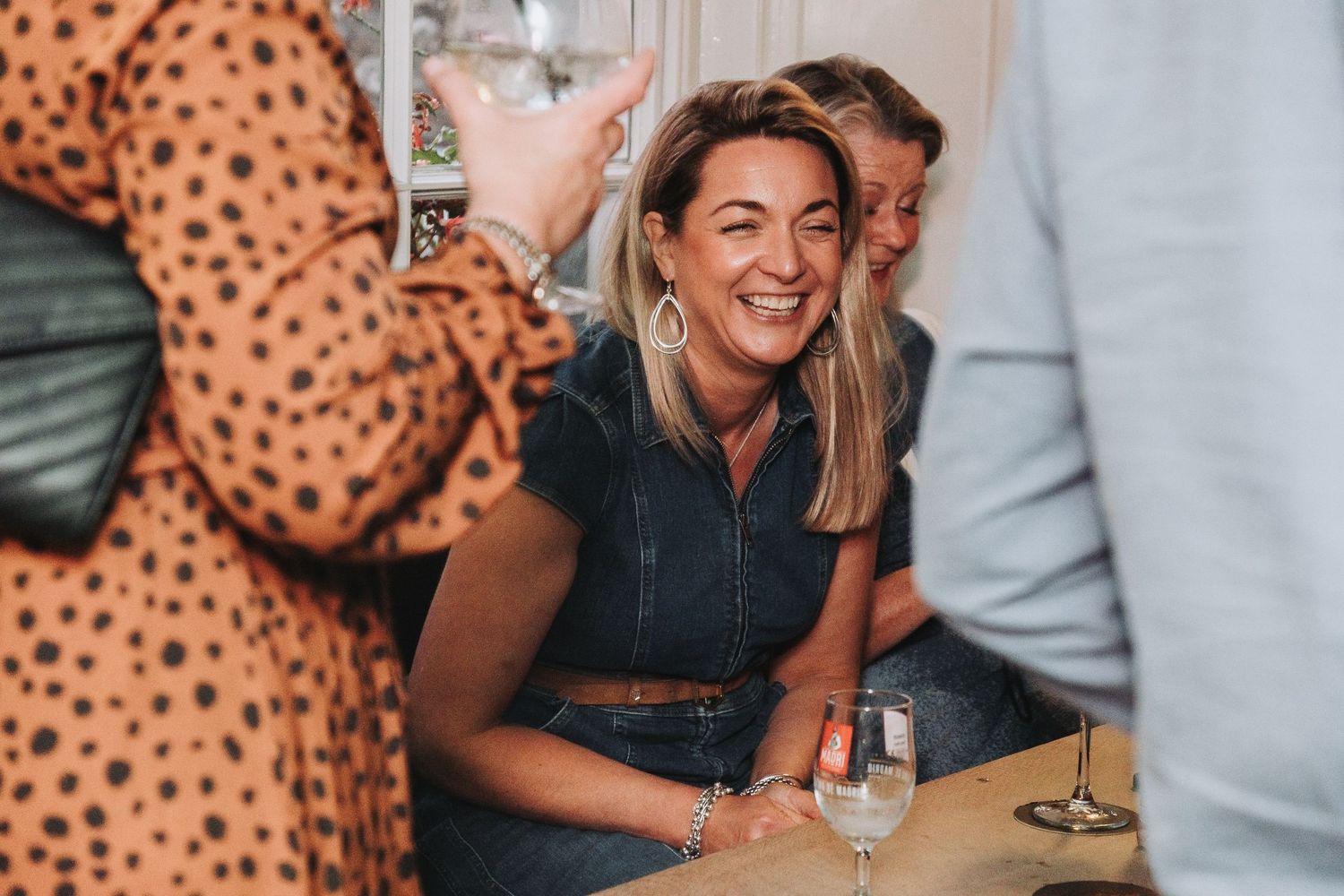
A wedding reception is a good example and, in my opinion, one of the hardest environments to shoot. You have a room full of unpredictable people, a mix of personalities, changing light, and absolutely no interest from anyone in slowing down for you.
My approach is simple. Walk into the room. Take a quick exposure test shot. That gives you a baseline. From there, keep your head on a constant swivel.
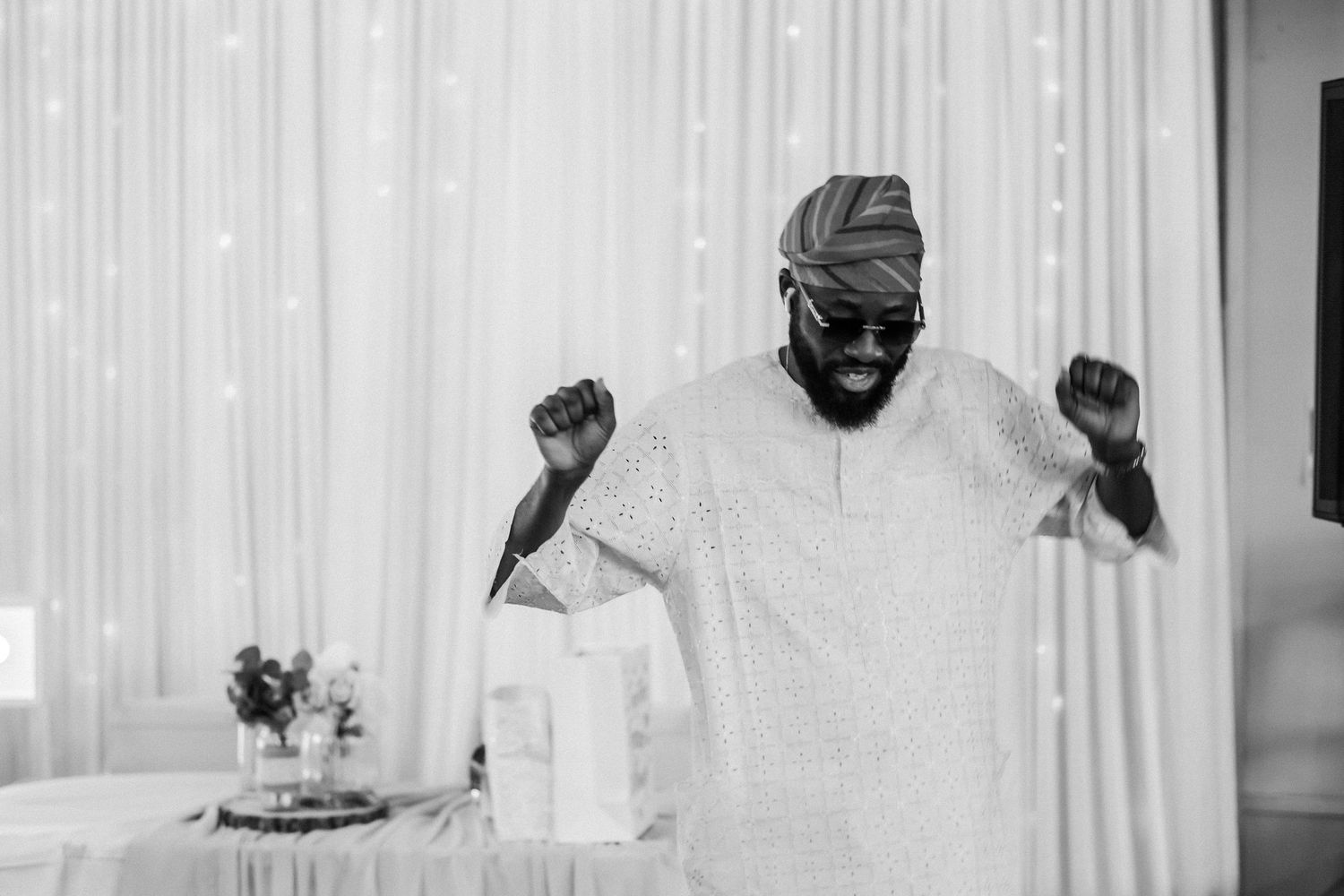
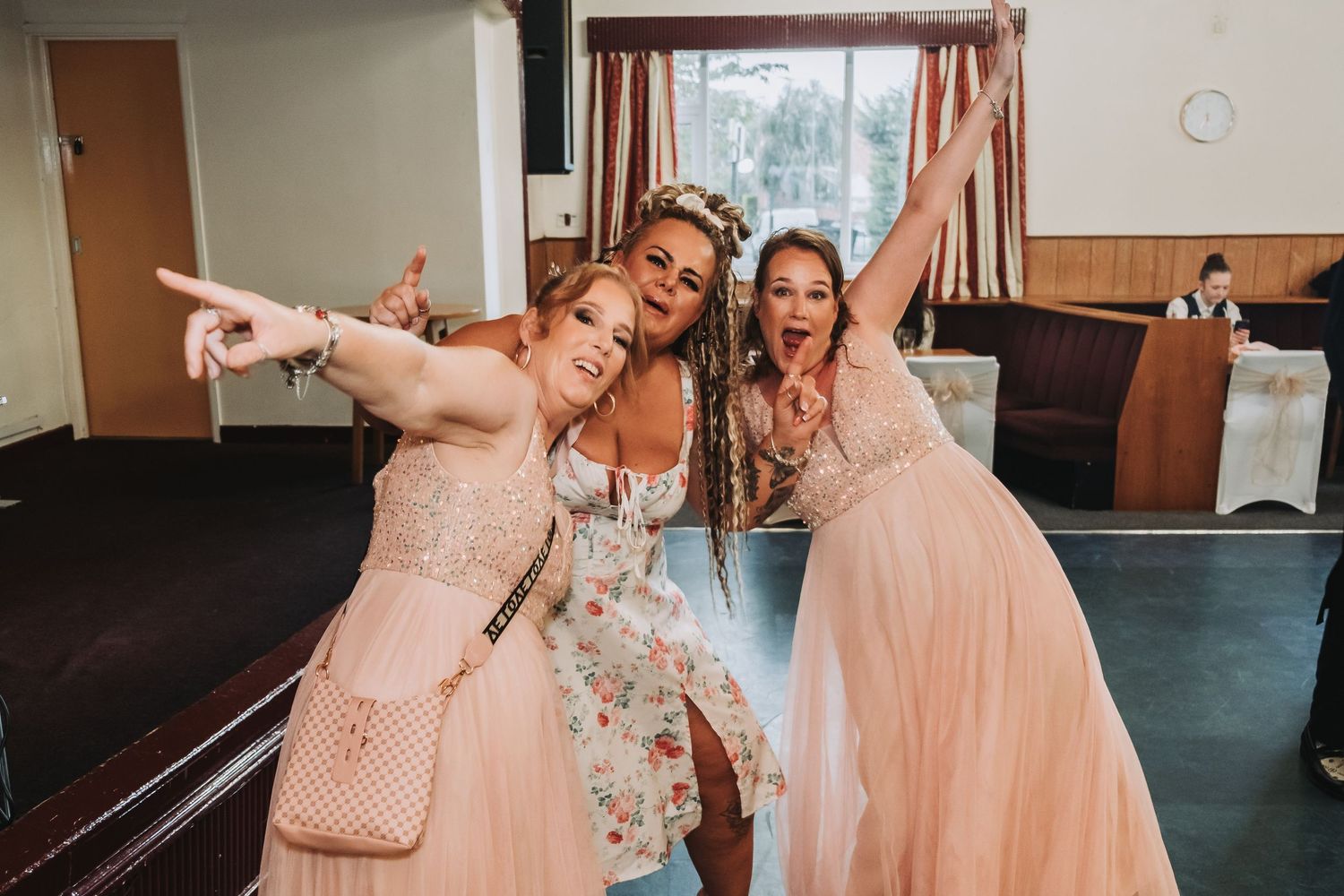
You will very quickly work out who the party people are and who are not. Who wants a calm, posed photo with the bride, and who is likely to have a tie around their head by last orders. Watch how people group together. Notice how they react to you. Learn who is comfortable with a camera in their face and who you are better off shooting from a distance or above the crowd.
Great reception photography lives in the balance between chaos and calm. Your job is to recognise both when they appear.
Know your Gear
This one should be obvious, but it is worth saying.
If you expect to be paid as a photographer, you need to know your gear inside and out before you turn up to a job. This is not about gatekeeping or saying “leave it to the pros.” It is about competence. Nothing kills confidence faster than looking like you do not know what you are doing.
I shoot Fujifilm gear, and I have a genuine love‑hate relationship with it. Because I know how unnecessarily complex the menus can be, I have spent hours sitting at my desk setting custom buttons, tweaking functions, and learning exactly where everything lives.
Knowing your gear is not just about which buttons to press. It is also about knowing its limitations.
I know Fuji bodies do not have the fastest autofocus on the market. I did not buy them for that. I bought them for the colour science, which more than makes up for what they lack in autofocus performance. Knowing that limitation means I adapt. I run continuous autofocus, I anticipate moments rather than chasing them, and I carry enough batteries to comfortably get through a full day without stress.
If you understand your tools, you stop fighting them.
Navigate the Social Maze
I often say that being an effective photographer is about 60 percent personality and 40 percent photography. By photography, I mean a mix of technical knowledge and gear.
The reason personality carries more weight is simple. If you cannot make people feel comfortable, you might as well put them in front of a photobooth and let them get on with it.
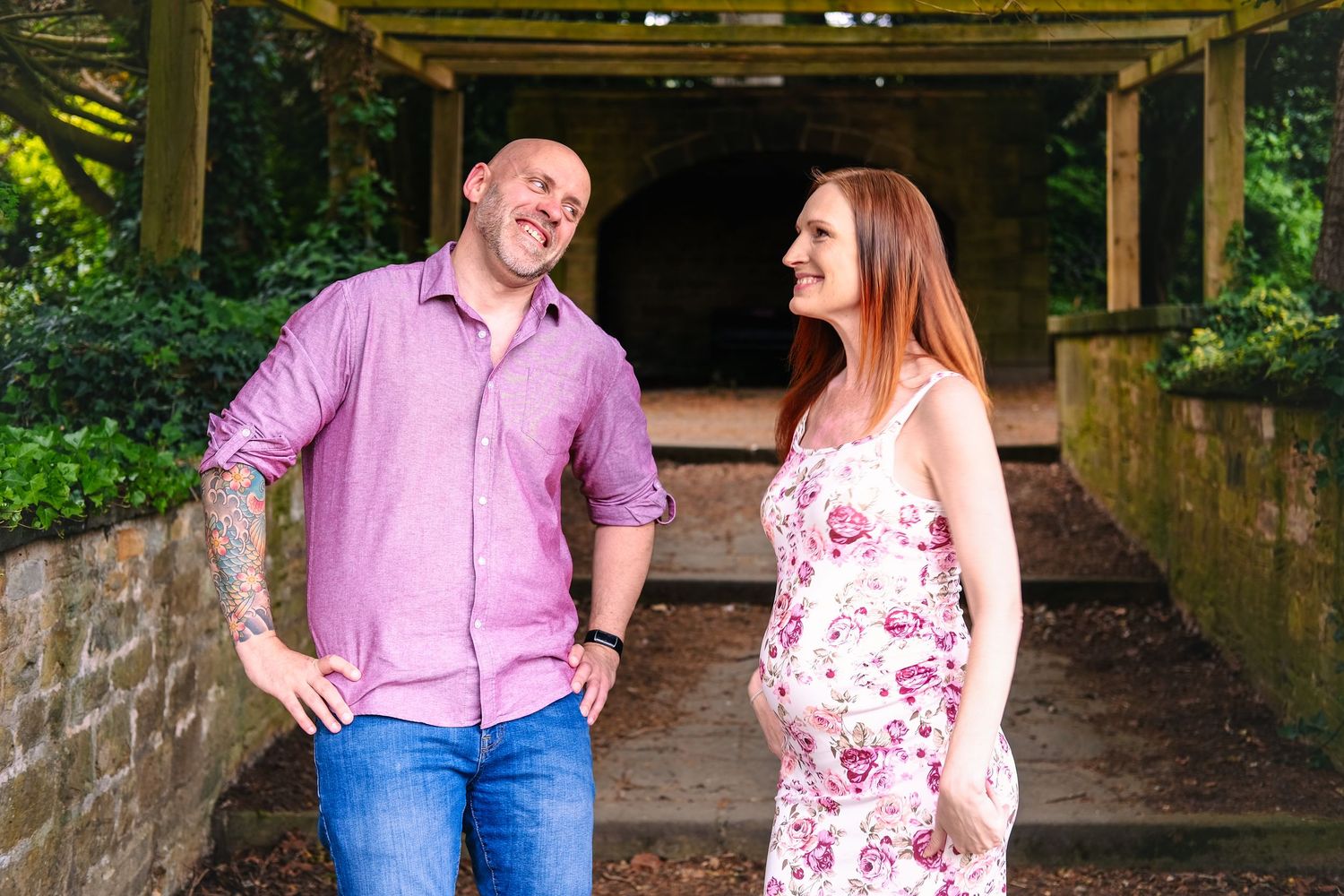
It is rare to find couples who are naturally confident in front of a camera, and rarer still to find ones who are genuinely comfortable. You need to know how to talk to people, how to put them at ease, and how to make the experience feel relaxed rather than performative.
One of my favourite photographers is Josh Huggett from Australia (joshuahuggettmedia.com). He has an incredible ability to make people feel at ease through humour, wit, and his general presence. That skill shows in the images long before you start analysing composition or lighting.
There is a balance to strike between professional and personal. People are buying a service, but what they remember is the experience. How you get there is up to you. The key is reading the room and understanding what people actually need from you in that moment.
More than Just Photos
Being a photographer is about far more than pressing a shutter.
It is about being present enough to capture moments without interrupting them. It is about knowing when to step in and when to give people space. It is about making people feel comfortable enough to be themselves, even with a camera pointed in their direction. Most importantly, it is about respect. Your clients have trusted you with access to one of the most important days of their lives. Whether that is a wedding, an event, or something deeply personal to them, that trust should never be taken lightly.
The camera, the gear, and the technical side all matter, but they are only tools. What people remember is how you made them feel, how comfortable you made the experience, and how truthfully the moments were captured.
Get that right, and the photos will always follow.